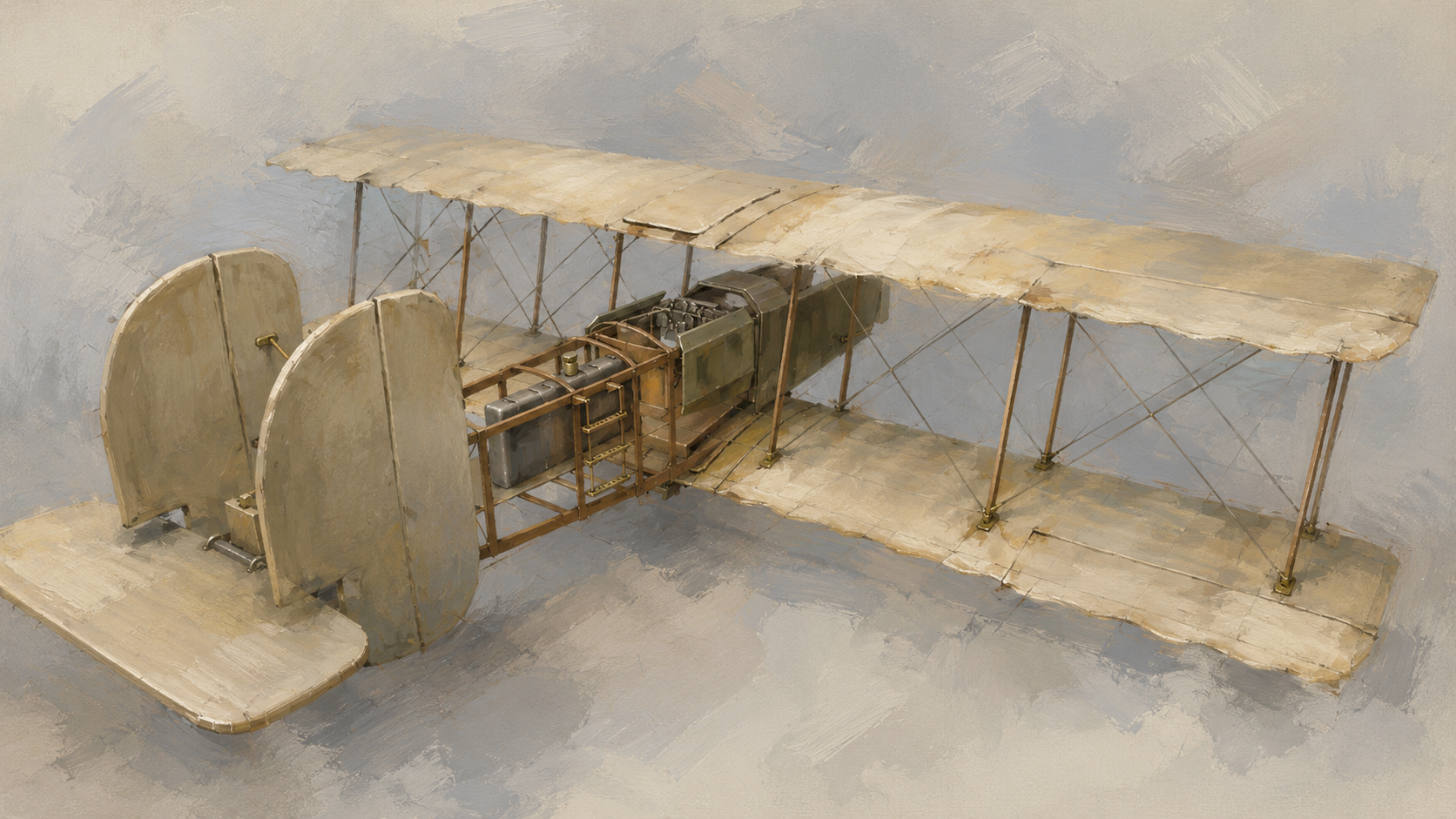
Light · Agile · Beginner Friendly
Sparrow Frame
Fast response, clean handling, and strong visibility. Good for learning pursuit, escape, and close-range aim.
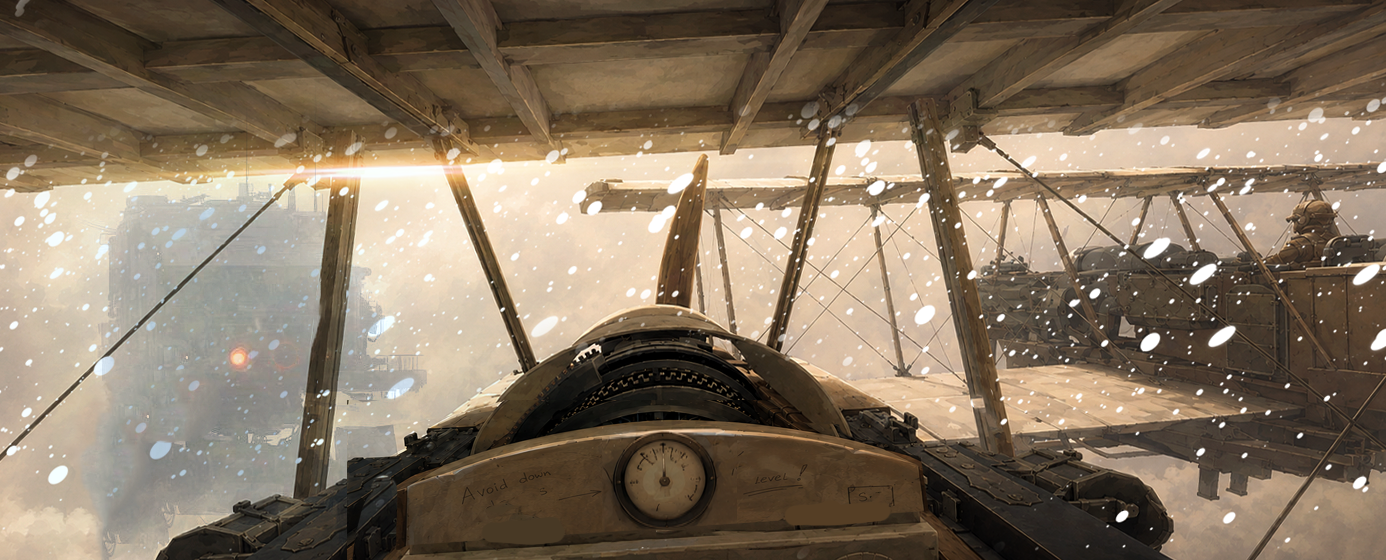
Skydancer is a multiplayer dogfighting game where the pioneer era of flight meets the scale of Sumerian myth — biplanes of wire and canvas rising into a sky that hides older, vaster things. It plays the way old-school dogfighting games did: no aim assist, no lock-on, no tactical overlay — just readable flight, wing-mounted guns you have to weave onto target, and one clean shot, earned the hard way.
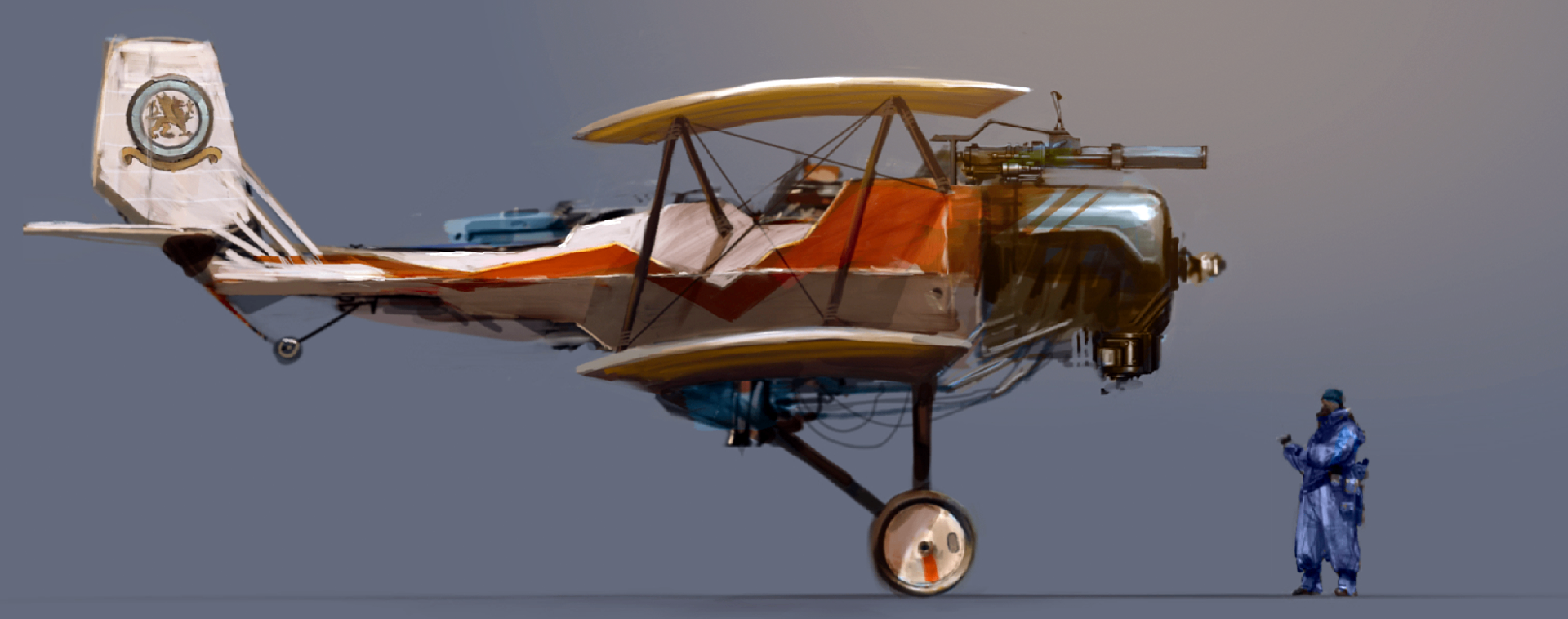
Win through positioning, pursuit, speed control, and trigger discipline.
No aim assist. No crosshair. You learn from misses, distance, and impact feedback.
The whole game is about flying, fighting, escaping, and re-engaging.
Fast respawns, readable silhouettes, team modes, solo modes, and objective play.
Skydancer is not about holding a reticle over a target. It is about getting your aircraft into the right place at the right time. Overshoot and you become the target. Climb too early and you expose yourself. Turn too hard and you lose the line. Fire too soon and you teach the enemy where you are.
You aim by aircraft attitude, cockpit feel, weapon rhythm, and range judgement.
Hits come from piloting skill, not magnetised bullets or hidden correction.
The best fights happen near enough to see the enemy's frame, wings, and panic.
Misses matter. Skydancer gives feedback on distance and shot outcome so players learn how close they were.
Cockpit view is not cosmetic. It is where finishing shots, weapon handling, and high-risk visibility matter most.
Aircraft take damage visibly and mechanically. A broken machine still flies — until it does not.
Every mode in Skydancer is designed around flight first. Objectives exist to create pursuit, interception, ambushes, escorts, retreats, and desperate last-second recoveries.
Every pilot for themselves. No wingmates, no formation, no excuses. Survive the sky longer than everyone else.
Squadron against squadron. Cover your wingmates, punish overextensions, and control the busiest lanes of the sky.
Steal the enemy flag and bring it home while every pilot on the server tries to cut you out of the air. The grab is easy. The return is the fight.
Smaller, tighter, faster engagements. Less travel, more contact, shorter windows to escape.
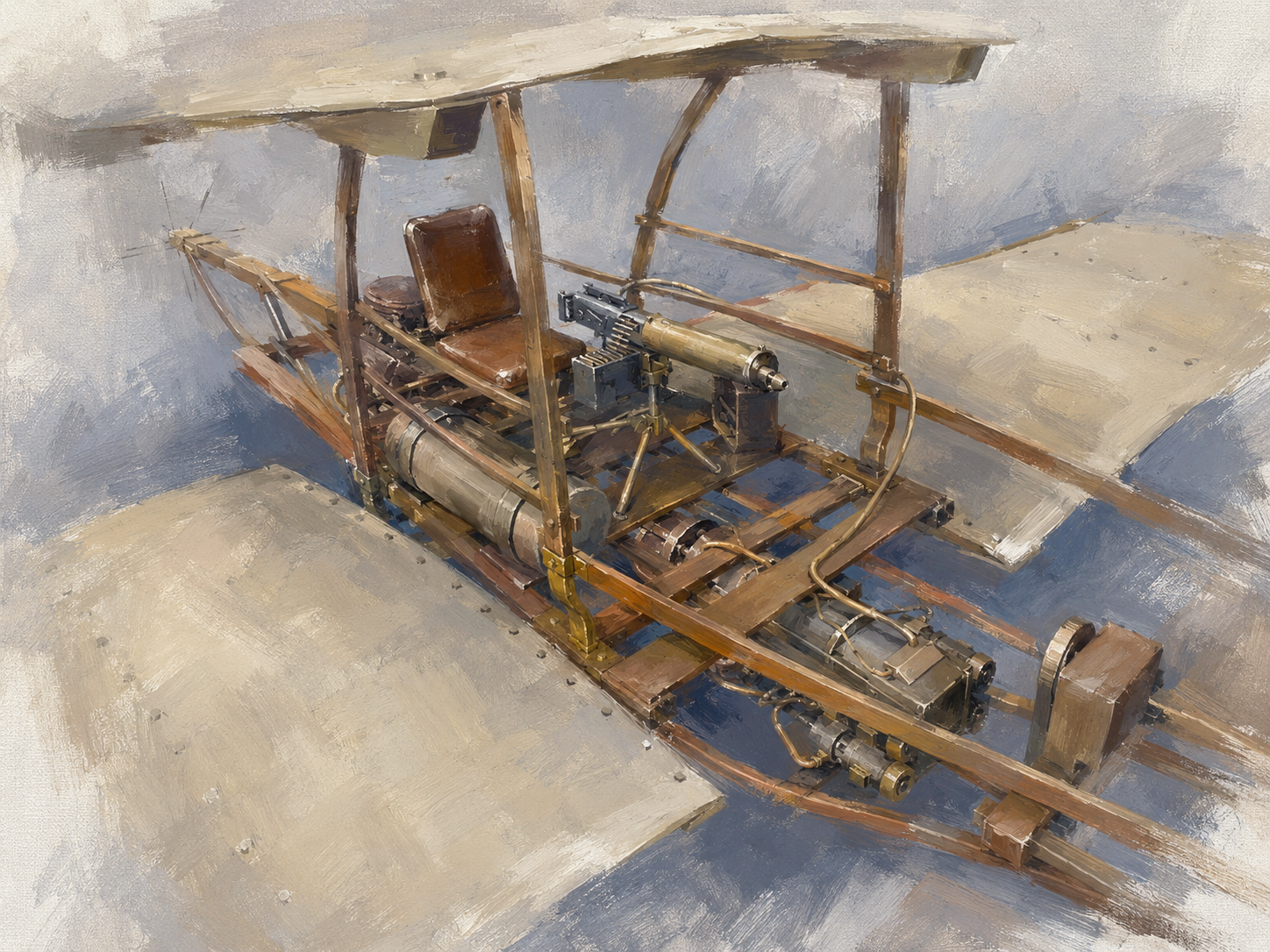
Aircraft in Skydancer are not skins. Each hull has its own handling profile, weapon fit, durability, visibility, and combat role. Some are forgiving. Some are fast. Some are heavy enough to survive terrible decisions once. None will save a bad pilot forever.
Fast response, clean handling, and strong visibility. Good for learning pursuit, escape, and close-range aim.
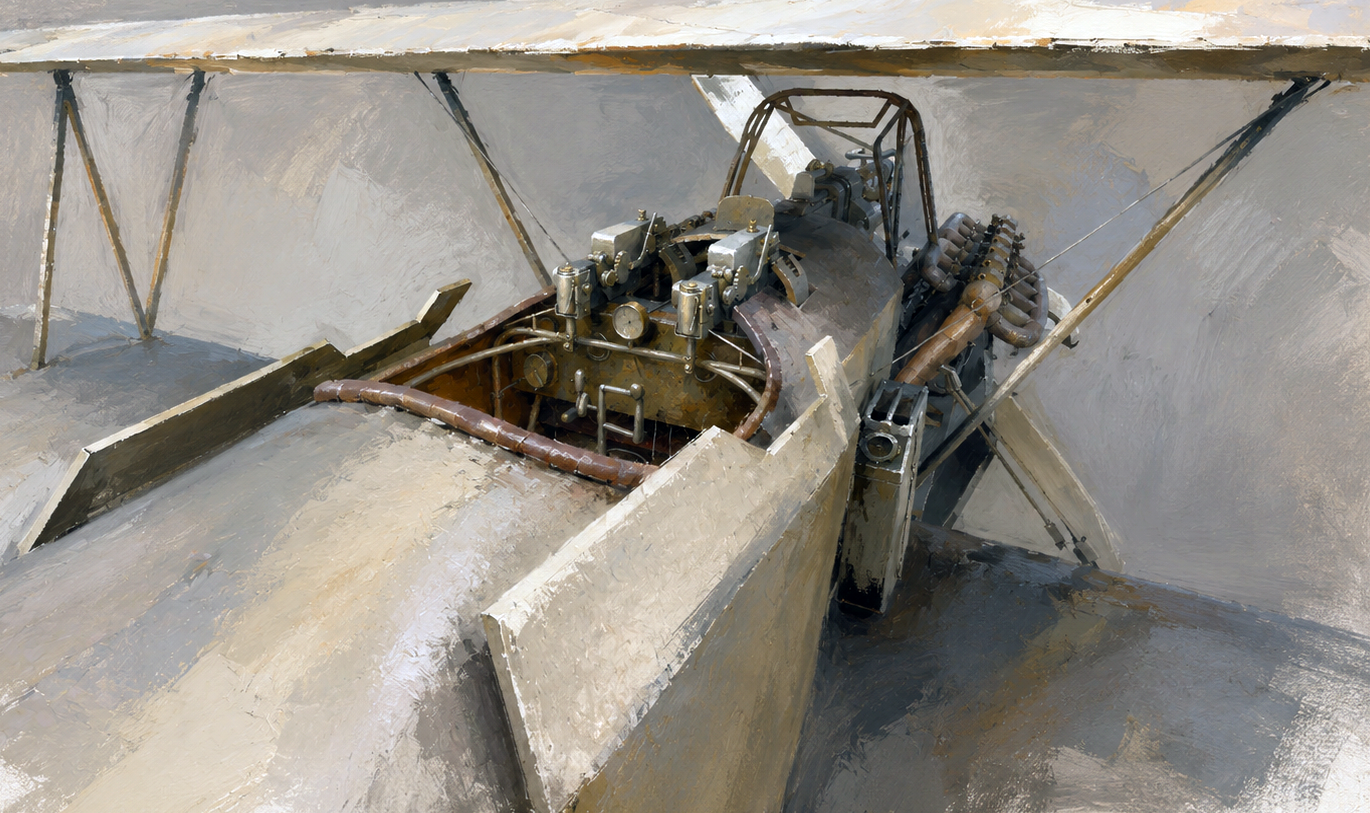
Built to stay in the fight longer. Turns slower than a Sparrow but survives punishment and rewards aggressive pilots.
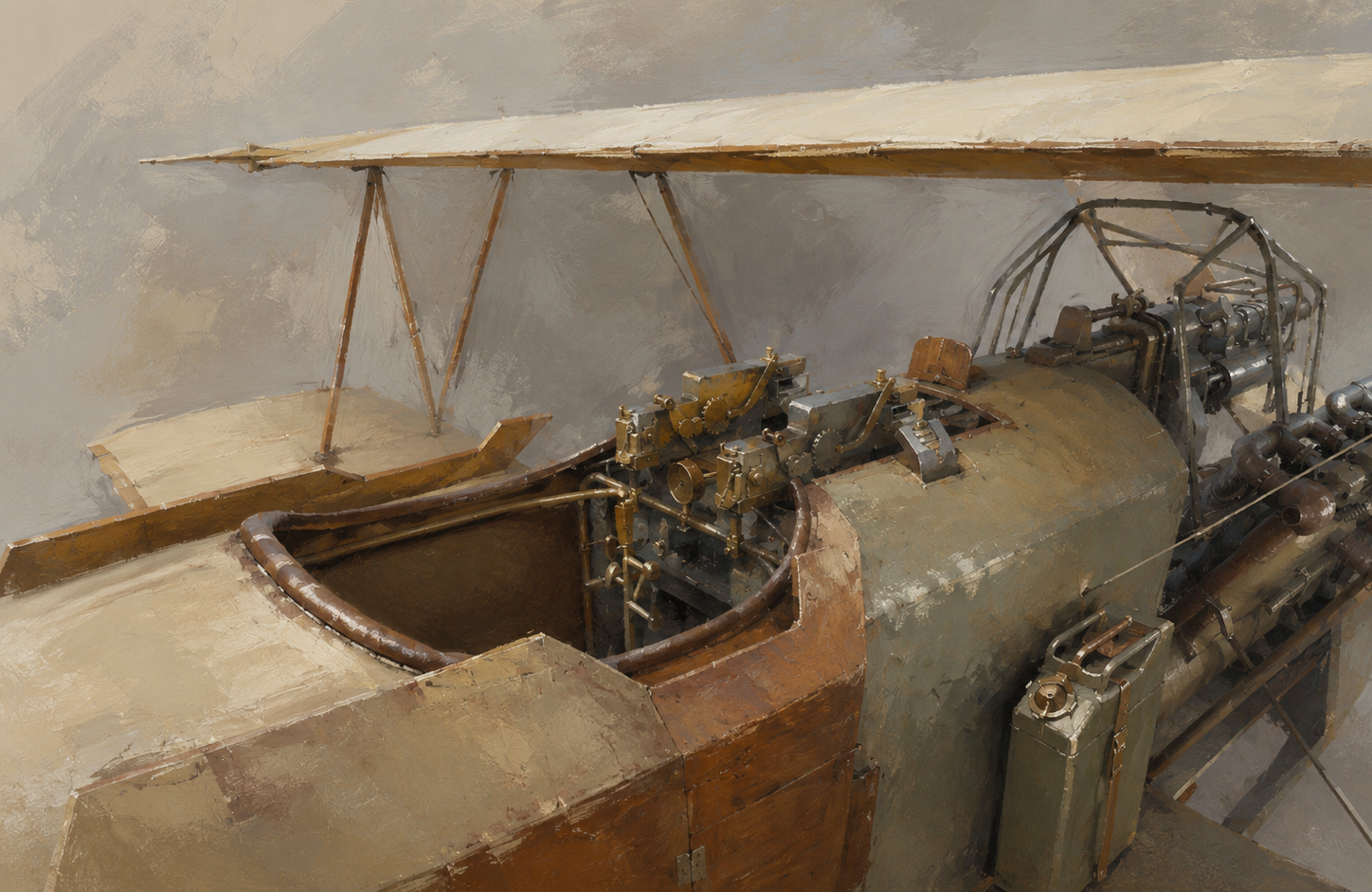
A slower aircraft with presence. Best used with support, positioning, and objective pressure.
Every aircraft is built from wood, canvas, brass, steel, and improvised engineering. They are loud, fragile, repairable, and dangerous. Learn your frame and it becomes an extension of your hands. Ignore it and it becomes wreckage.
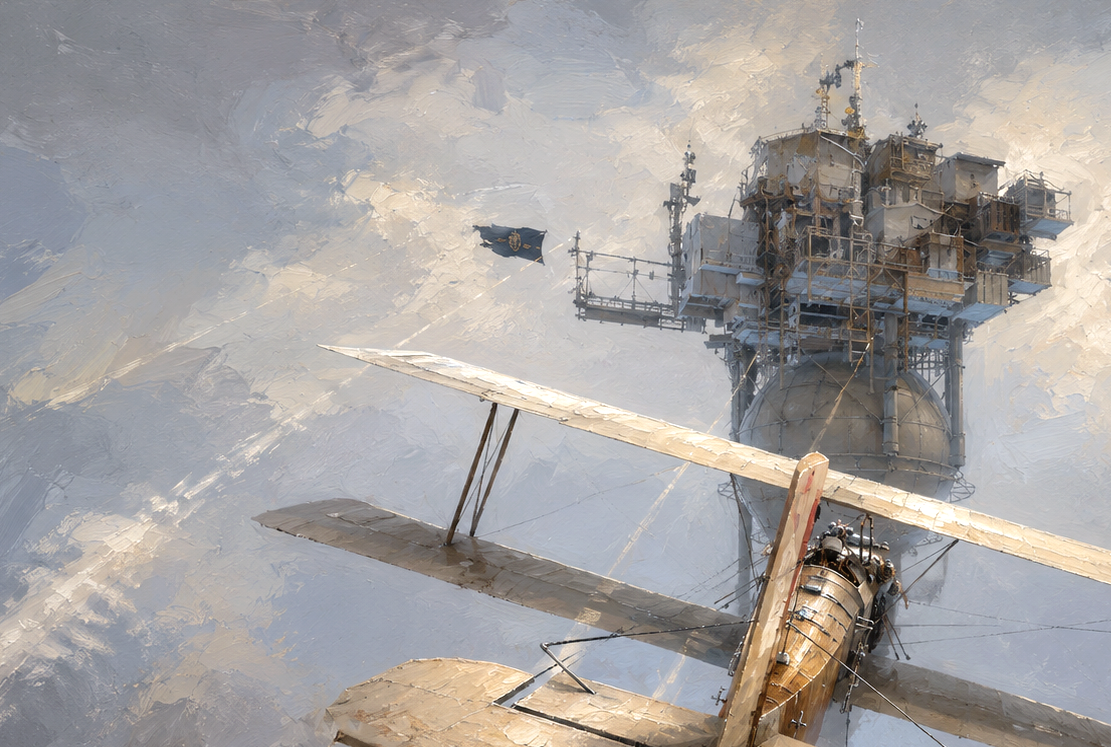
Skydancer has two factions for identity, team play, aircraft styling, and long-term progression. The war matters, but the match comes first.
The Choir use stranger aircraft, voice-wired systems, and designs shaped by Semantic — a disembodied intelligence. Their machines feel less handmade and more alive.
The Pistons trust engines, field repairs, exposed mechanisms, and pilots who know their own machines. Their aircraft are practical, rugged, and built for defence.
Skydancer is being built for multiplayer testing first. The beta will focus on flight feel, combat readability, weapon balance, match pacing, aircraft roles, and the modes that create the best dogfights.
Sign up for updates, beta access, and development notes.
HARD TO MASTER. FUN TO PLAY